Insights
Training Card
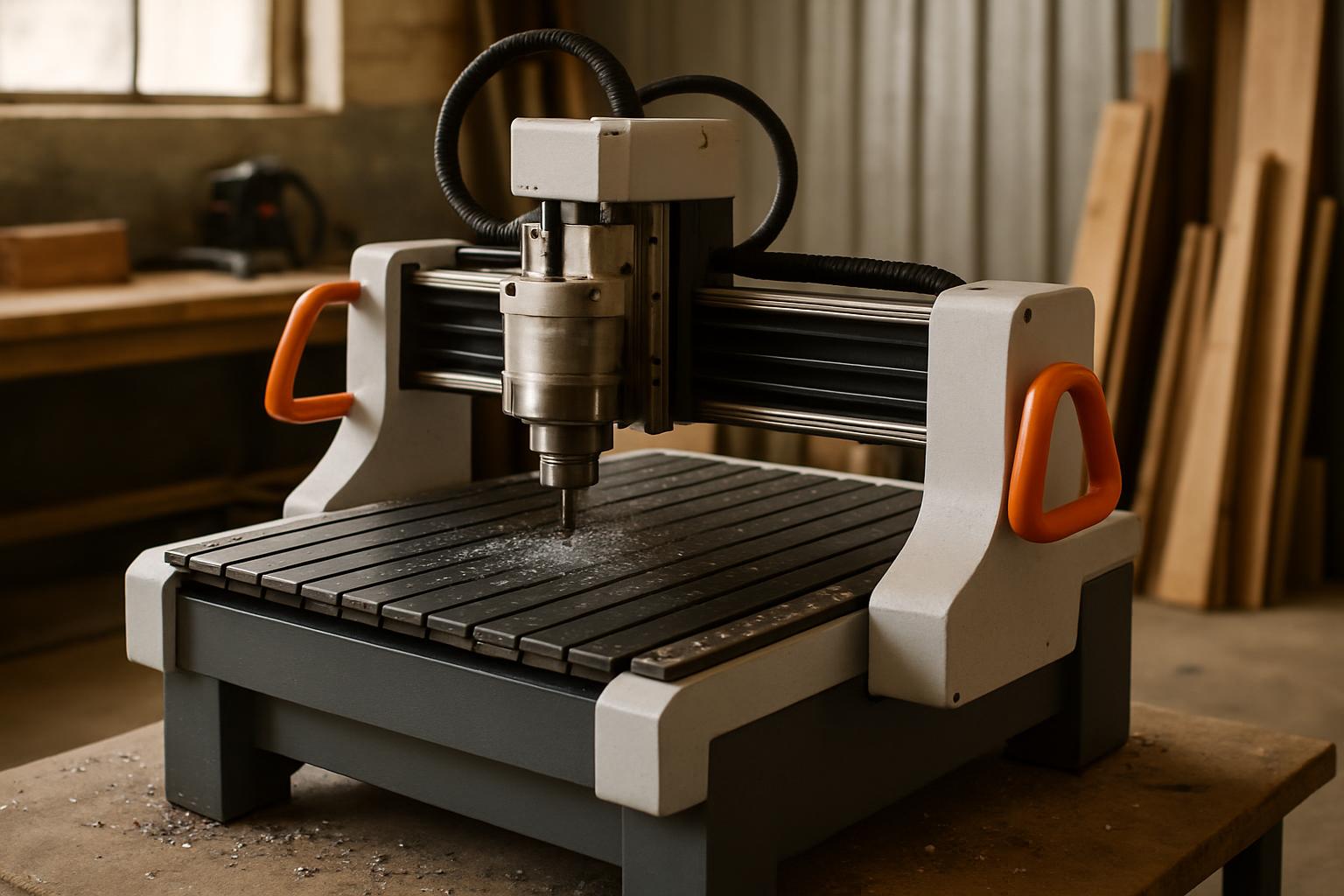
A handy note on training checklists for owners learning zeroing, workholding and tool setup.
Training sticks better when the key steps are visible at the machine. In South African schools, maker spaces, and small shops, the basics usually lost are tool tightening, zero setting, and safe restart after a pause. Training Card turns those essentials into a quick on-machine reference.
Training Card covers the moments operators miss when they stand at the spindle and try to remember the order. It focuses on zeroing, clamping, collet tightening and restart checks that matter on a desktop CNC in a school lab, maker space, or small shop.
Checks Posted Beside the Spindle
- Machine powered and homed first
- Zero point shown on the actual stock, with a simple photo from the bench
- Job name or saved file path written where the next operator can find it
- Tool size, material, and zero method noted in workshop language
This note belongs next to the machine, not buried in a folder. Owners learn faster when the same zeroing and tool setup sequence is visible every run. On a desktop CNC, repeated small checks usually prevent the spoilboard strike, loose cutter, or wrong restart after a pause.
First Week at the Machine
Training Card brings the basics of owner training into one practical checklist. Zeroing, workholding, and tool setup are easier to learn properly when each step is written down and repeated the same way.
A new operator usually starts with basic stock, one cutter, and a simple origin choice. The Training Card keeps attention on workholding pressure, spindle tool tightening, and the exact point used for X, Y and Z zero. In South African school rooms and shared workshops, that visible reminder helps when more than one person uses the same bench.
Pin the card where it can be read before the run begins. After a tool change or power interruption, the operator can step through the same short sequence instead of relying on memory. That is especially useful when MDF dust, acrylic swarf, or aluminium chips have interrupted the setup.
What the Card Covers
The note condenses owner training into a repeatable machine-side routine. It names the checks that should happen before start, after a tool change, and before resuming a stopped job. For schools and small production benches, consistency matters more than a long explanation nobody reads during setup.
Keep the machine notes and any classroom or workshop procedure nearby. Training Card works best when the zero position, clamping method, and cutter choice are recorded the same way each time. If you send a query, include the machine model and the material being cut.
- Zeroing steps kept within reach
- Restart sequence checked after any pause
- Operator notes kept with the machine
Workshop Conditions That Affect Training
Bench space is often limited, so the reference needs to be brief enough to read while standing at the machine. Shared spaces also mean one operator may clamp work differently from the next unless the basic method is written down. A Training Card helps standardise the essentials without turning setup into a long lesson.
Training Card should sit where the operator can read it at the spindle, with the zero photo, tool size, and clamp position filled in for the current job. In coastal towns, add a quick check for rust staining on collets, nuts, and exposed fasteners before tool tightening starts. Inland dust changes the priority, so the card should remind owners to inspect rails, cable tracks, and the spoilboard surface before setting Z zero. For workshops affected by power cuts, include a written restart sequence covering spindle stop, machine home status, file name, and the last confirmed zero point on the stock.
Operated by Astros Marketing (Pty) Ltd from 2 Makro Place, Sunnyrock 1401.
Machine-Side Reminder for Owners
A handy note on training checklists for owners learning zeroing, workholding and tool setup.
Keep the card with the job sheet or near the controller so it stays part of normal setup. When a buyer, teacher, or workshop lead asks how operators are trained, it gives a straightforward reference for zeroing, workholding, and tool setup.